


Gary O’Slide, where slide guitar meets open sky
Some artists write as if they are sketching a landscape. Not with many lines, but with a few precise ones, placed slowly. With Gary O’Slide, we hear that kind of attention: the patience of a single chord, the softness of slide, and the calm confidence of leaving space untouched.
This conversation stays close to his own words.
NDR. His replies were originally written in French, and we have translated them into English with light edits for clarity, without changing meaning.
A blues western world, shaped like cinema
Gary describes his music through images that many listeners already carry inside them: wide frames, dry air, a road cutting through emptiness.
Question: How would you describe your music to someone who has never heard it before?
“Film music in a relaxing blues western universe. Something that could recall Red Dead Redemption, or great cowboy films.”
We recognise this as a language of atmosphere. Not as decoration, but as a way of composing. The music points toward places, yet it also stays inward, like a private scene.
Instruments that tell the truth
He speaks about instruments the way some people speak about voices. Not as tools, but as companions.
Question: Which instrument feels most like your natural voice, and why?
“Acoustic guitar and Weissenborn, played only in slide, with either a bottleneck or a tone bar. This way of playing matches my style the most, and it brings a softness to my compositions.
The Weissenborn is a little known instrument that deserves to be known, for the instrument itself and for the way it’s played. And the acoustic guitar, because wood doesn’t lie, and electric guitar doesn’t fit me.”
“Wood doesn’t lie” is a whole aesthetic in one sentence. It suggests a preference for direct tone, for resonance you can hear before any processing.
Starting from one chord, listening first
Gary’s writing method is simple on paper, but demanding in practice: listen widely, then reduce the starting point until it is almost nothing.
Question: When you write music, where do you usually start, melody, rhythm, atmosphere, or silence?
“I listen to a lot of music in all styles to find a starting idea, then I build my compositions on the basis of a single chord, on which I create my composition.”
A single chord can become a horizon. Slide guitar makes this especially clear, because the note is not only pitch. It is also the movement between pitches, and the way the sound decays into the room.
Desert places that return, again and again
Some landscapes act like magnets. They return even when the music has no lyrics.
Question: Is there a place, landscape, or environment that often appears in your music?
“Yes, desert landscapes like the Grand Canyon, or the Tabernas Desert in Spain.”
These are not abstract references. They are specific, physical places. You can almost hear what they offer a composer: distance, heat, the way sound travels when there is nothing to block it.
Solitude, repetition, and a small recording setup
He describes his working life without romance, and that honesty matters. The process is practical and solitary.
Question: What does a typical writing or recording session look like for you?
“It’s quite simple. I isolate myself for several days where I do nothing but compose. Once I have what I want, I do several recordings at the same time to select the best piece of music. I record with a simple H2N microphone, and then the rest goes through the Audacity software.”
Question: Do you prefer composing in solitude or in dialogue with others?
“I always compose alone because I’m a big loner. In the past I composed with a few artists, but they weren’t professional, so I stopped composing with other artists.”
There is a kind of discipline here. The solitude is not a posture. It is a working condition, and it shapes the music’s calm.
One detail that matters: reverb
In a few words, Gary points to the one element that controls the emotional distance in his recordings.
Question: Is there a sound, texture, or detail you care deeply about when recording?
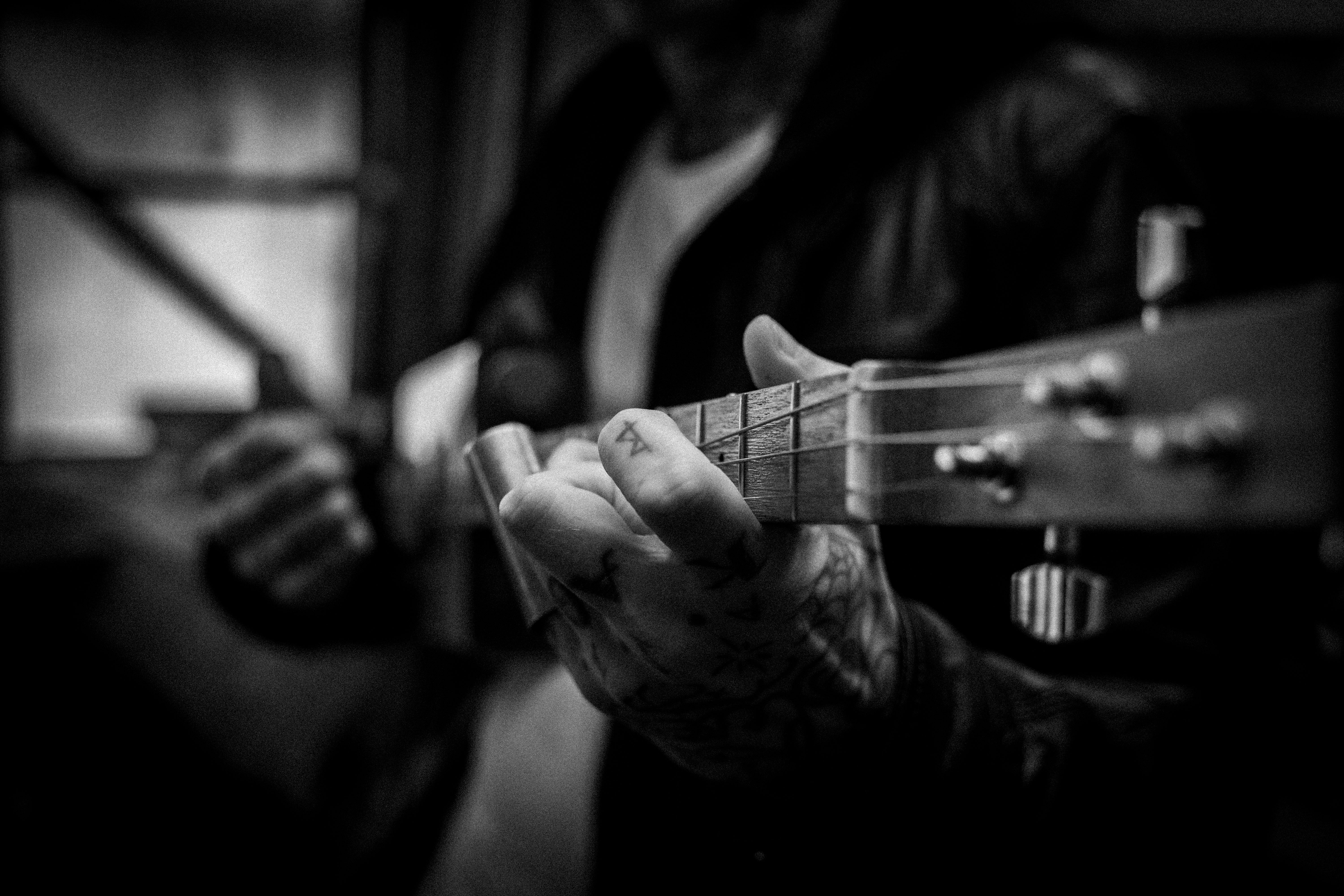
“The key in the compositions, to have the texture I want, is the reverb settings, and nothing else.”
Reverb is not just an effect here. It is the room he chooses to place around the guitar. In this kind of music, it decides whether the listener stands close to the strings, or watches from far away.
Influences, named plainly
Gary names a small set of references, and each one tells us something different about his roots.
Question: Which artists, composers, or traditions have quietly shaped your way of writing?
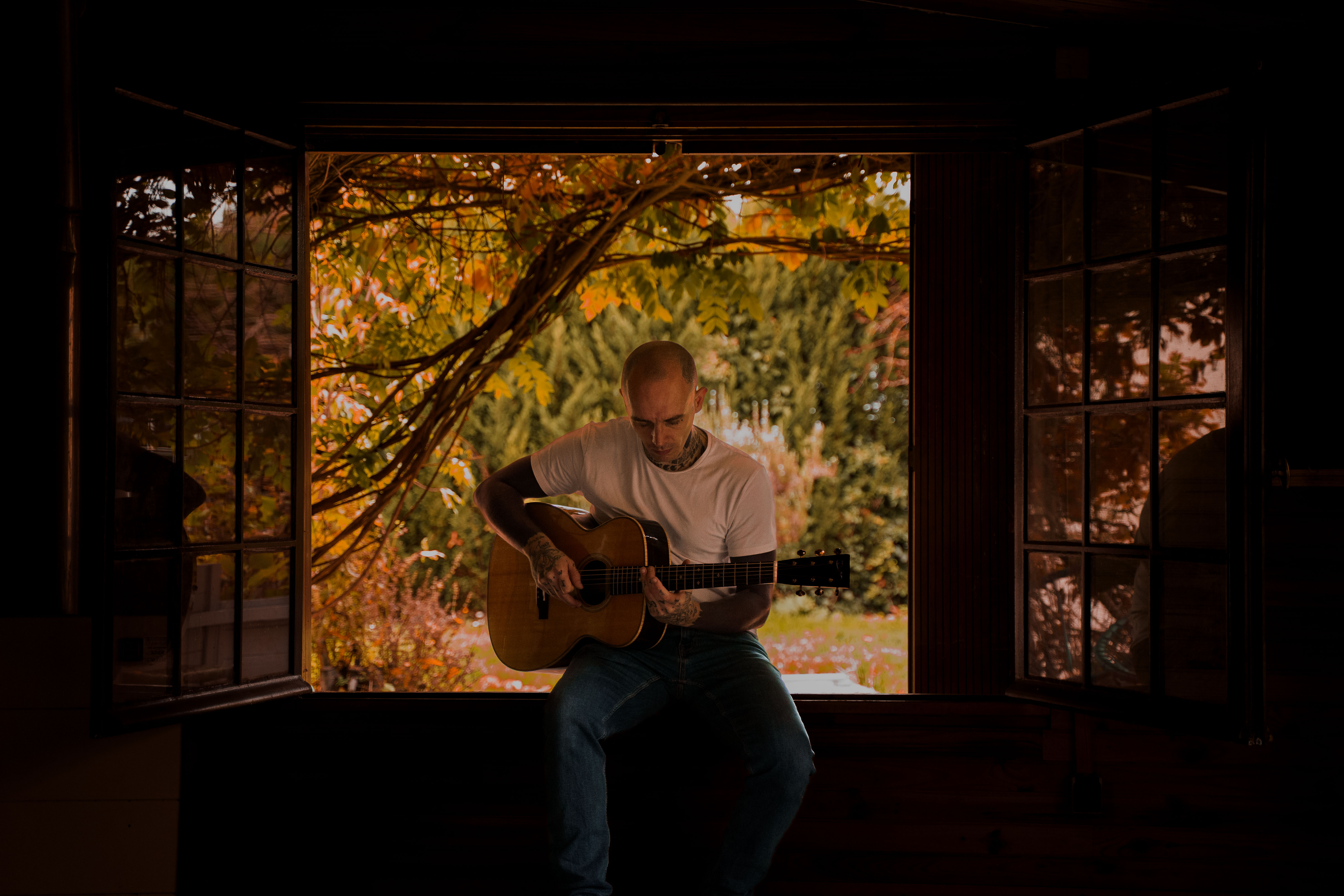
“There are three artists who have truly inspired me for as long as I can remember: Ry Cooder, for his famous compositions for the film Paris, Texas; Muddy Waters, Mannish Boy; Blind Willie Johnson, for his famous piece Dark Was the Night; and the famous Kelly Joe Phelps, for all his compositions.”
What he wants the listener to feel
When asked about intention, he answers with two words.
Question: What do you hope a listener feels when spending time with your music?
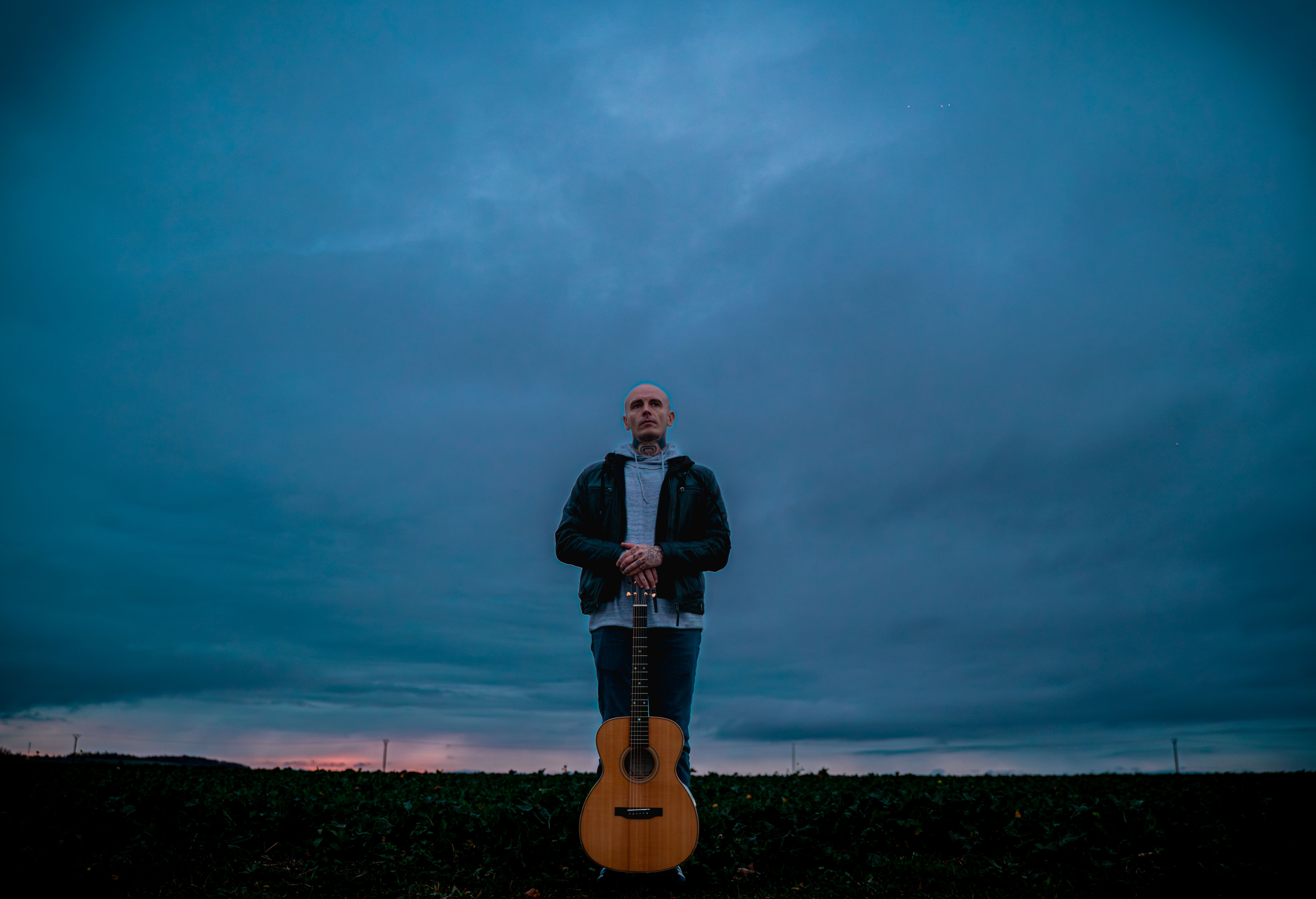
“Freedom, escape.”
Question: When, during the day, someone should listen to your music?
“I think my music doesn’t have one particular moment for listening, because each composition has its own difference.”
Freedom, and no fixed listening hour. That fits the way his music moves: it does not demand attention loudly, but it rewards the kind that arrives quietly.
Present and future: the blank page, and a vast catalogue behind it
Gary carries a large body of work, and still names the present moment as open, uncertain, blank.
Question: What are you exploring right now in your creative path?
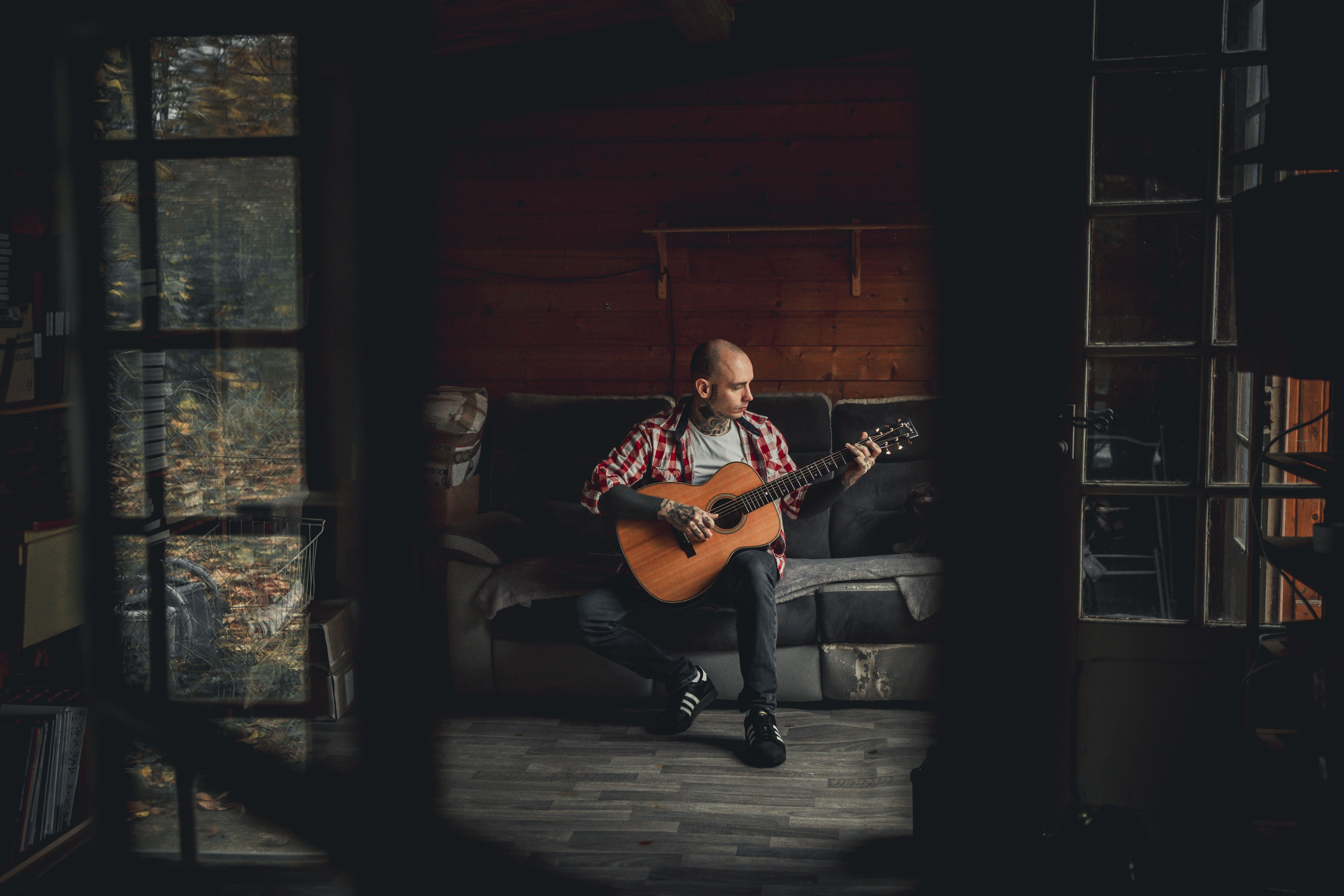
“Right now it’s the blank page, because looking at my list of compositions, I have 370 compositions created to this day. But I listen a lot to film soundtracks, etc. I also try to make relaxing folk compositions, purely acoustic.”
There is something moving about this contradiction: hundreds of pieces completed, and still the feeling of starting again. For many artists, that is the real rhythm. Work, silence, then work.
A brief note on our shared work
We asked what it means for him to be part of Raighes Factory, and his answer stays focused on continuity and support.
Question: What excites you about being part of Raighes Factory?
“Everything is perfect with the Label. Without it, I wouldn’t be the artist I am today, given the albums released, which gives a wide reach and a big sharing with the public.”
For us, the value is in the long line. A catalogue that grows without forcing the artist to speed up. A place where instrumental music can remain quiet, and still be heard.
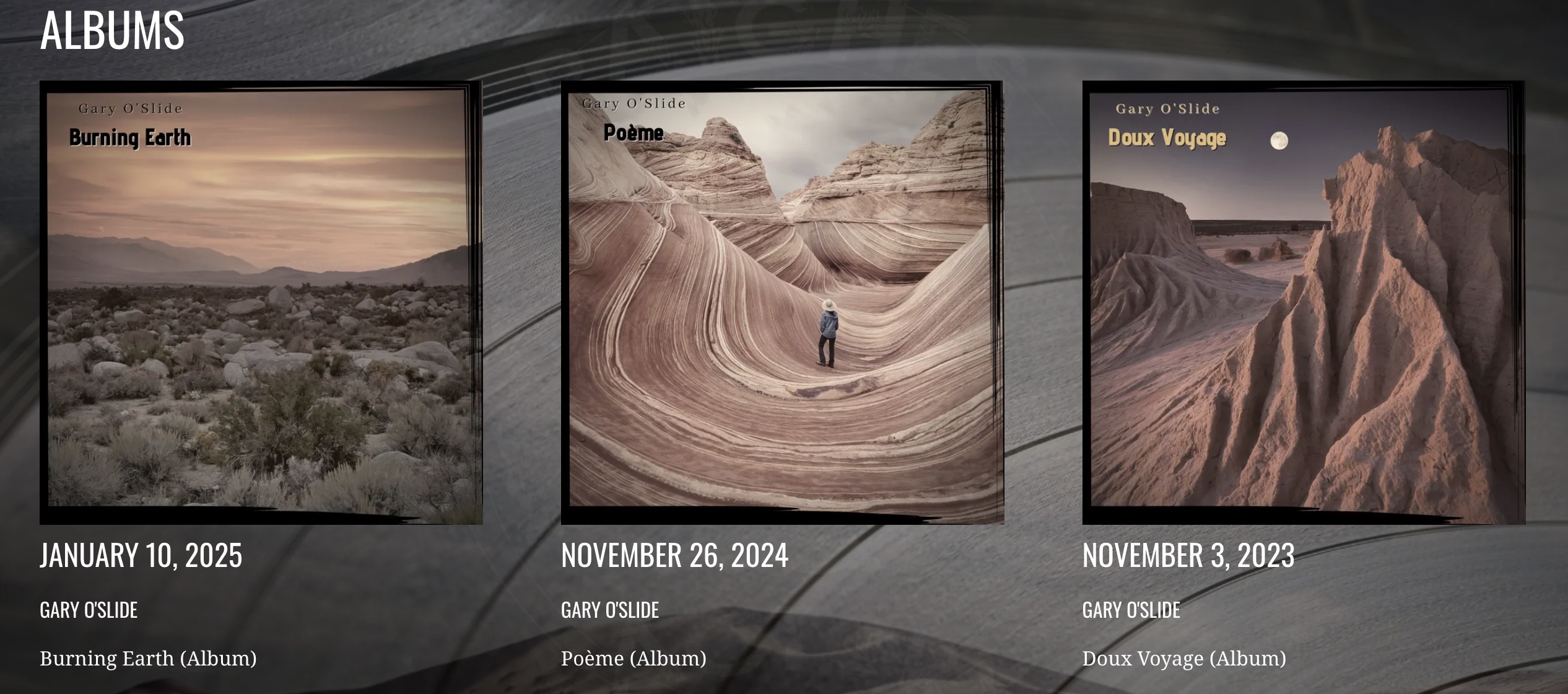
If you want a simple place to browse his releases, Gary’s artist page lives here:
https://raighesfactory.com/gary-o-slide
And if one title helps locate his blues western atmosphere in a single frame, “Outlaw” fits naturally: https://raighesfactory.com/outlaw
Gary keeps returning to deserts, to solitude, to the slide as a soft speaking voice. In a world that often rewards noise, this kind of work reminds us that a single note, held long enough, can feel like a landscape.
We hope this interview leaves space. Space to hear the reverb he cares about, space to notice the grain of the strings, space to let the music arrive without a schedule.