

Carlos Maya and the Music That Begins in Silence

Carlos Maya is a contemporary neoclassical pianist and composer whose work brings together minimalist piano, modern classical structure and spiritual reflection.
Listening to Carlos speak about composition, one detail soon becomes clear: he pays attention before he plays. He waits for a piece to establish its own character rather than beginning with a predetermined result.
The same attitude appears throughout his practice. It shapes the way he develops a melody, records the piano and understands the role of music in his spiritual life. It also connects works from across his catalogue, including Lotus, Tejido and the album Piano Chronicles.
A quiet and inward language
Question: How would you describe your music to someone who has never heard it before?
Carlos Maya
“My music is contemporary neoclassical piano with a strong introspective and spiritual character.
It is minimalist in form but emotionally dense, focused on atmosphere, silence and melodic clarity rather than virtuosity. The piano is treated almost as a voice: reflective, restrained and intimate.”
What stands out in Carlos’s description is his distinction between simplicity of form and density of feeling. For him, using limited musical material does not mean limiting what a composition can contain.
He returns several times to the idea of restraint, but never as an aesthetic exercise. Restraint allows him to keep the music close to its original emotional purpose.
“It is music meant to be listened to slowly, almost devotionally, allowing space for personal reflection and emotional resonance.”
The piano as a natural voice
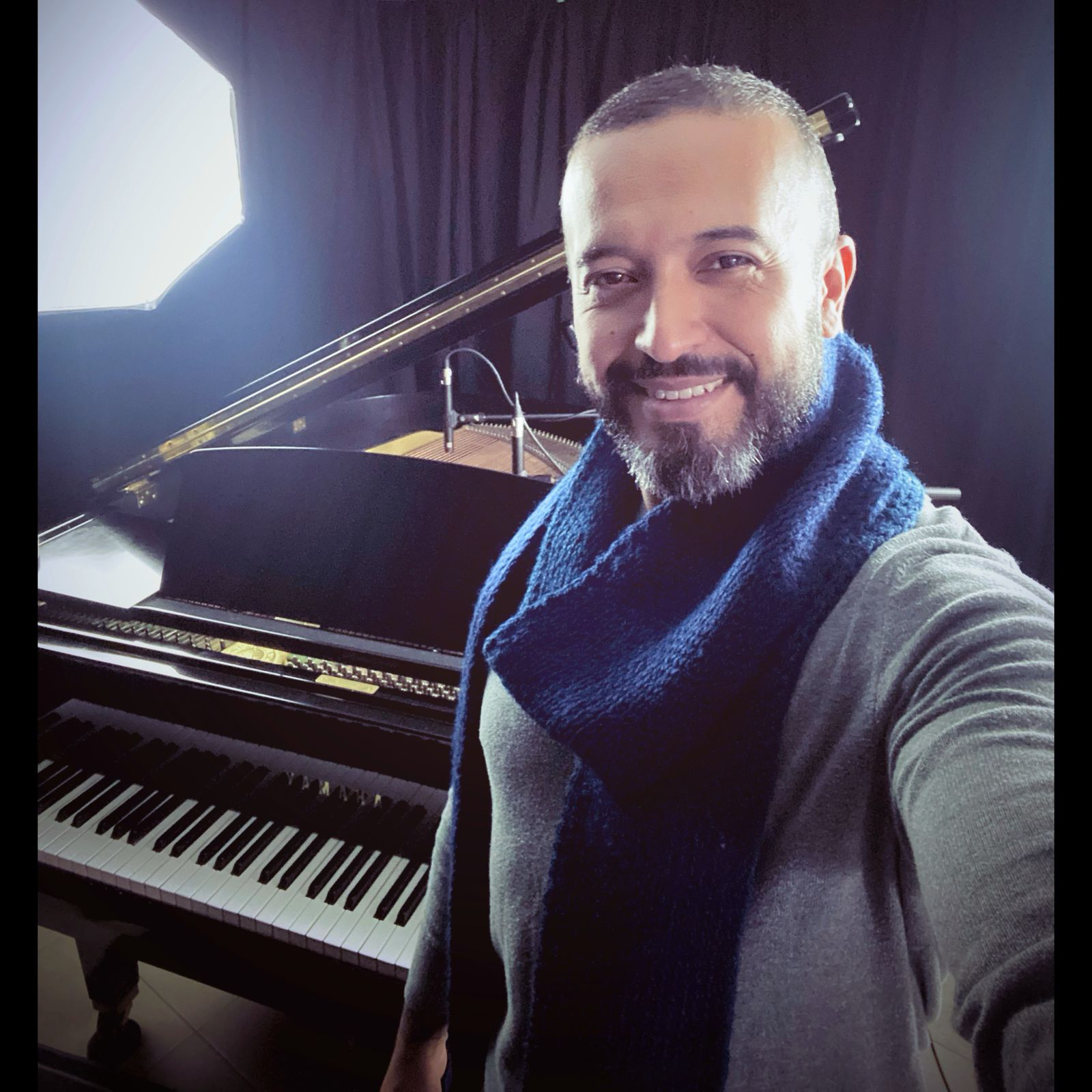
Question: Which instrument feels most like your natural voice, and why?
Carlos Maya
“The piano is the instrument that feels most like my natural voice.
It allows me to express emotion without the pressure of performance or display. I can breathe through the instrument, shape silence and let space speak as much as sound.”
Carlos’s answer reveals something important about his relationship with the instrument. The piano gives him a voice while removing what he experiences as the pressure to perform outwardly.
His attention is not directed towards how much the instrument can do, but towards how precisely it can carry an intimate thought. Touch, duration and dynamics become part of the vocabulary.
“Through the piano, I can say things I would struggle to articulate with words or even with my own voice.”
The piano is therefore not simply the centre of Carlos Maya’s sound. It is the place where he feels most able to speak honestly.
Where the music begins
Question: When you write music, where do you usually start: melody, rhythm, atmosphere or silence?
Carlos Maya
“I usually begin with silence and atmosphere.
Before melody or rhythm appears, I need to sense the emotional and spiritual space the piece will inhabit. From that silence, a simple melodic gesture often emerges naturally, almost as a response rather than a construction.”
Carlos does not describe himself as searching immediately for a theme. He first tries to recognise the kind of space the composition needs.
Only then does a melodic gesture appear. His choice of the word “response” is revealing: the first phrase feels less like an invention than an answer to something he has already sensed.
Melody comes before rhythm in most of his work, while rhythm follows the natural breathing of the phrase.
“For me, composition is not about filling space, but about honouring it. Silence is not the absence of music. It is the place where the music begins.”
Lotus and the movement towards light
Lotus offers a clear example of how Carlos develops a composition from a small initial idea.
The central motif begins in a relatively closed form and gradually becomes more elaborate. Carlos connects this movement to the lotus itself, a flower that grows through dark water before reaching the surface.
What makes the piece characteristic of his writing is that the original idea remains recognisable throughout. Carlos does not abandon it in search of contrast. He stays with it long enough for another quality to emerge.
That patient opening of the motif gives Lotus its particular sense of direction and makes it a natural introduction to Carlos Maya’s contemporary neoclassical piano work.
Interior landscapes
Question: Is there a place, landscape or environment that often appears in your music?
Carlos Maya
“The environments that appear most often in my music are interior landscapes rather than literal places.
I frequently imagine wide, quiet spaces: winter light, open fields at dusk, empty rooms, long corridors and moments just before or after something significant happens.”
The places Carlos names are specific, but none of them is busy. He is drawn to environments in which a small change of light, distance or movement can become significant.
The moments he imagines are equally particular: not the event itself, but the time immediately before or after it. This suspended perspective helps us recognise why his compositions often seem to remain with a feeling rather than turning it into a story.
“The landscape is less about where you are, and more about how it feels to be there.”
Carlos’s landscapes are interior because their purpose is not description. They help him locate the emotional distance from which a piece should be played.
Solitude, patience and truthful performances
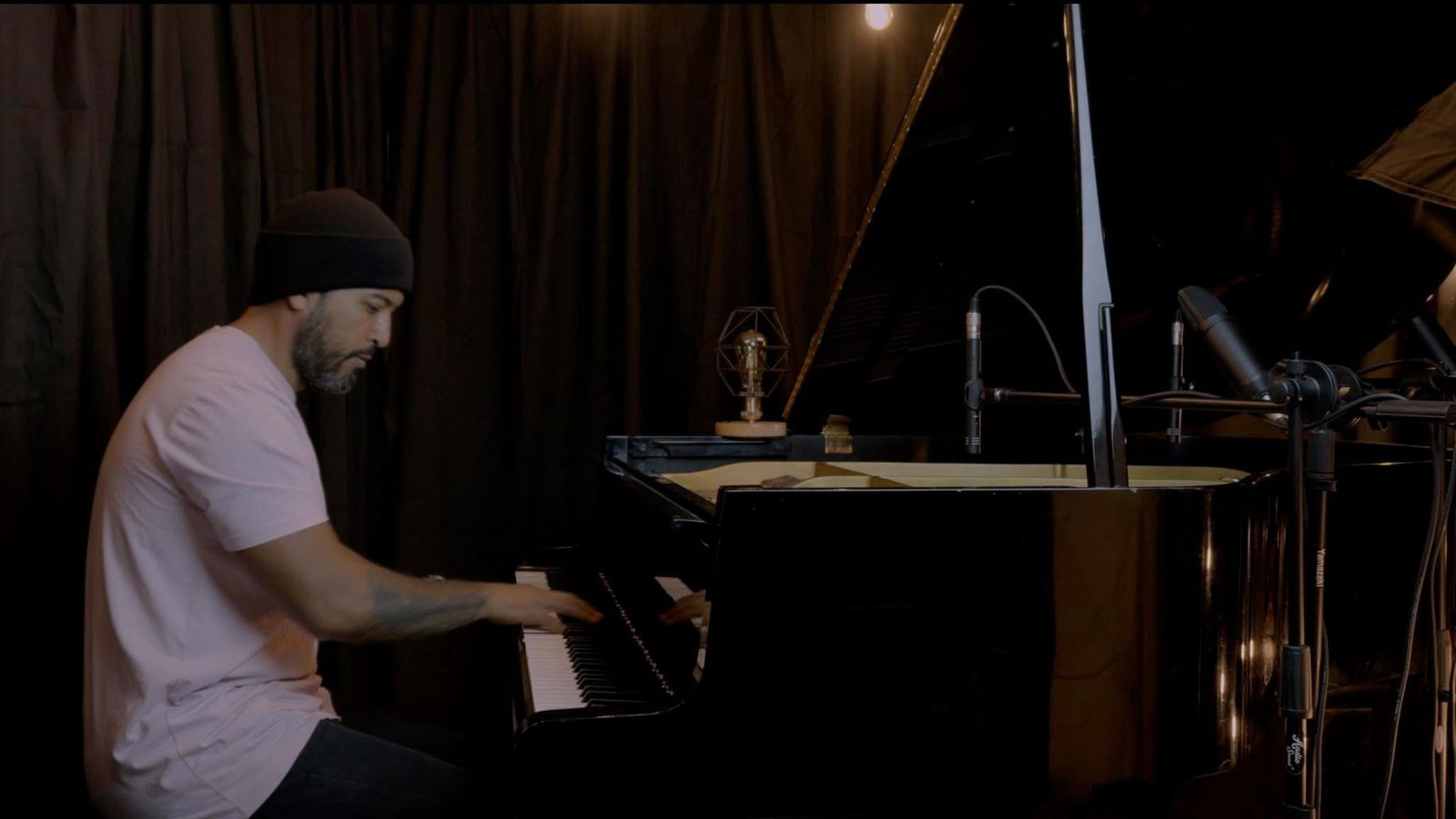
Question: What does a typical writing or recording session look like for you?
Carlos Maya
“A typical writing or recording session for me is quiet and unhurried. I usually work alone, in a controlled and intimate space, with minimal distractions. I begin by sitting at the piano without a fixed goal, allowing myself to listen before I play.”
Carlos rarely writes a large section at once. He repeats a phrase slowly, allowing its shape to become clear, and may return to it over several days.
What interested us here was not only the pace of the process, but his willingness to leave the outcome undecided. The session begins without a fixed goal and ends when the music feels complete, rather than when a scheduled period of work has passed.
His approach to recording is equally personal.
“I aim to capture a truthful performance rather than technical perfection. If a take carries the right emotional weight, I keep it, even if it contains small imperfections.”
Carlos is not arguing against precision. He is describing the point at which further correction might remove something he values more. A slight imperfection can remain if the performance has retained the emotional reason for which the piece was written.
Question: Do you prefer composing in solitude or in dialogue with others?
“I strongly prefer composing in solitude. My creative process depends on silence, inward focus and uninterrupted time.
For me, solitude is not isolation but concentration. It is where ideas mature naturally and where the music can remain honest and unforced.”
He welcomes dialogue later, particularly when seeking feedback or considering interpretation. But before sharing a composition, Carlos needs to understand it privately. Solitude gives the idea time to become recognisably his.
The room around the piano
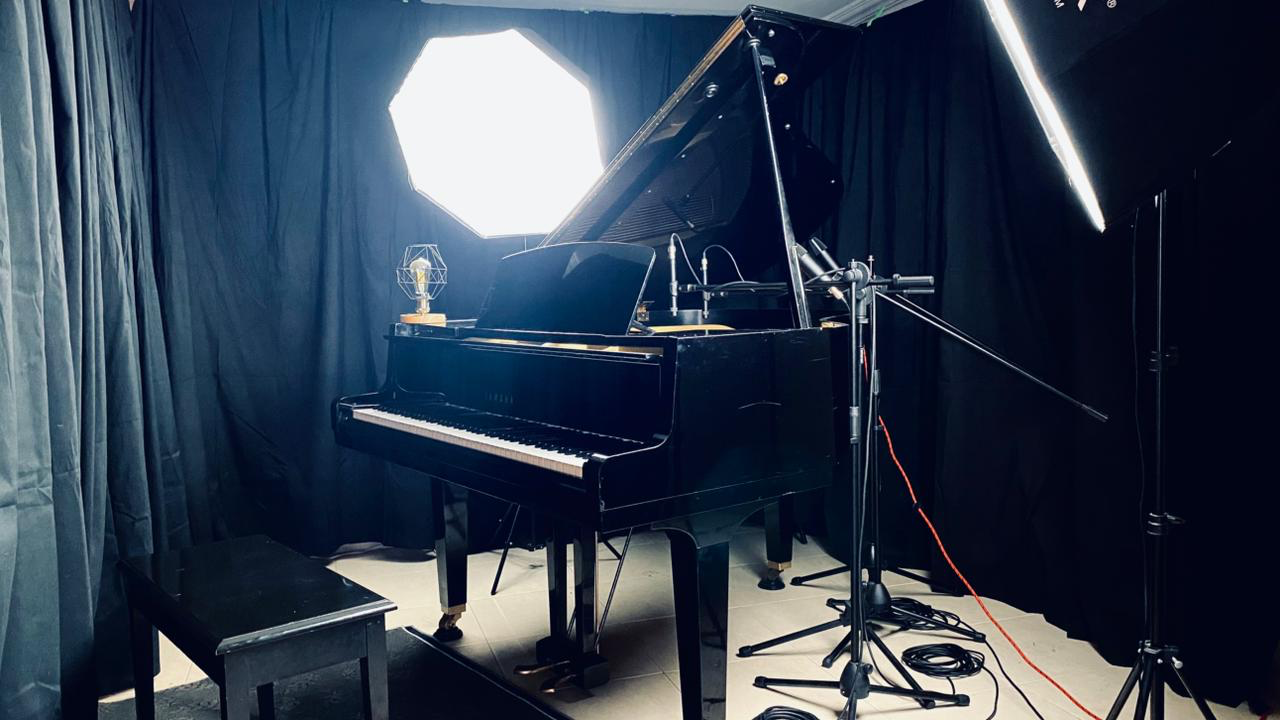
Question: Is there a sound, texture or detail you care deeply about when recording?
Carlos Maya
“I care deeply about natural resonance, dynamic breathing and the sense of space around the instrument. I pay close attention to how notes decay, how silence is preserved between phrases and how the instrument interacts with the room.”
Carlos listens closely to what happens after he plays a note. Its decay helps him decide when the next phrase can begin.
This makes the room part of his timing, not simply part of the recording setup. The piano, microphones and surrounding space determine how long the music remains audible and how close the performance feels.
“I prefer recordings where the listener can sense the physical presence of the piano and the human touch behind it.”
His preference for a relatively unprocessed sound follows naturally from this. Carlos wants the recording to preserve the evidence of a person, an instrument and a particular room sharing the same moment.
Order, repetition and emotional depth
Question: Which artists, composers or traditions have quietly shaped your way of writing?
Carlos Maya
“Johann Sebastian Bach is a foundational reference for me, not only for his technical mastery, but for the way his music is profoundly rational and, at the same time, deeply expressive and spiritual.”
Carlos is drawn to Bach because he does not hear a conflict between formal order and spiritual expression. That relationship reflects something Carlos also seeks in his own work: a structure disciplined enough to hold an intimate or devotional idea without overwhelming it.
Philip Glass and Michael Nyman have shown him another way of maintaining that balance.
“Their use of repetition, gradual transformation and minimalistic structures has influenced my approach to time, patience and emotional accumulation in music.”
Carlos speaks about repetition as a way of allowing feeling to accumulate. A motif does not need to be replaced each time the music moves forward. Its meaning can change through small adjustments and through the time spent listening to it.
He returns particularly to Michael Nyman’s soundtrack for Gattaca. What continues to interest him is its quiet resilience: hope and determination communicated through controlled repetition rather than dramatic excess.
Bach, Glass and Nyman belong to different musical periods, but Carlos recognises in each of them a connection between clarity and depth. That connection has become central to his own piano composition.
Tejido and the quiet order between lives
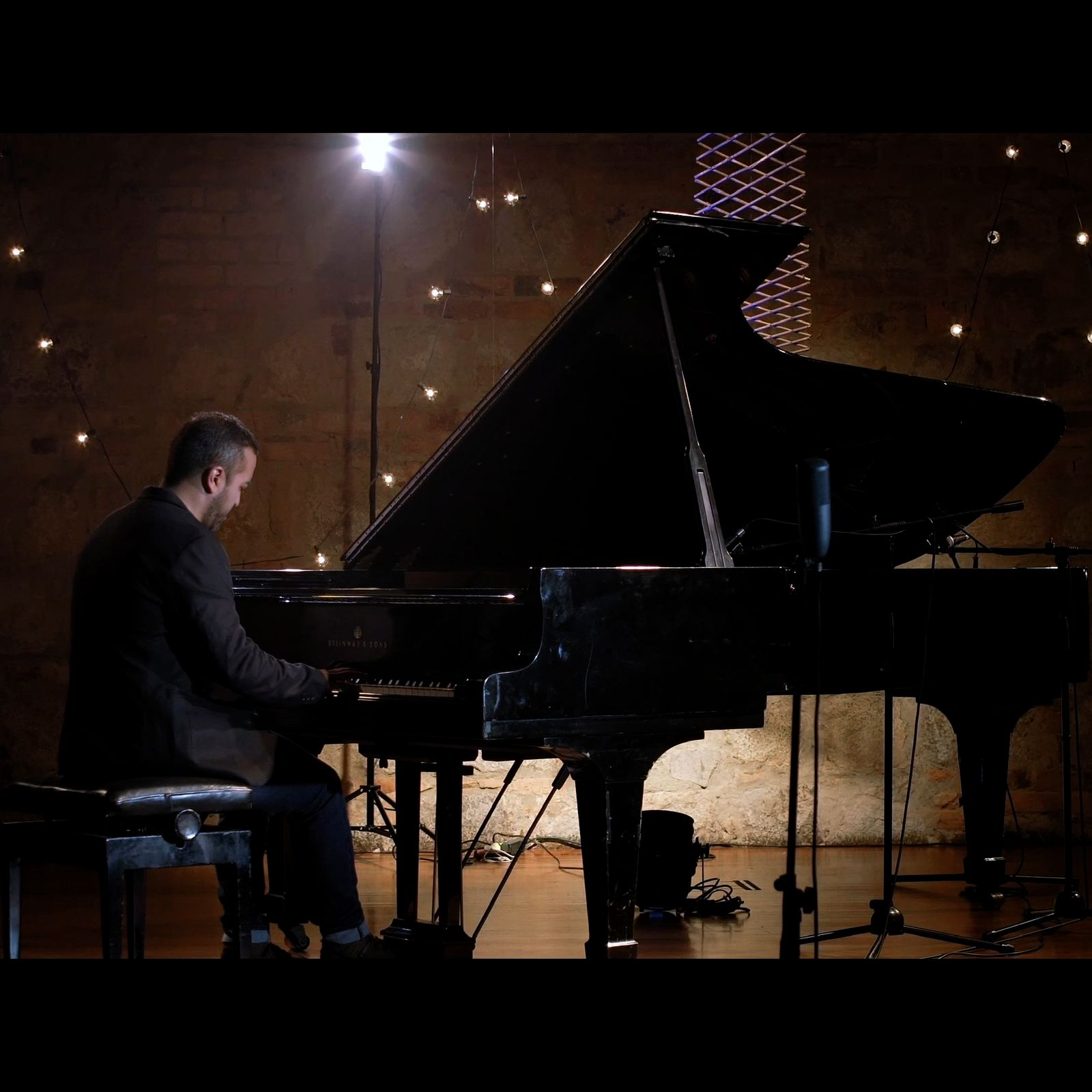
The title Tejido means “woven fabric”.
Carlos built the piece from recurring piano motifs that follow individual paths while remaining connected. They overlap, separate and return, gradually revealing a larger pattern.
This structure reflects his interest in the ways lives and experiences can become interwoven without losing their individuality. What might appear isolated from one perspective may belong to an order that is only visible when the different lines are considered together.
The contrast with Lotus helps distinguish the two works. Lotus stays with one motif as it opens from within. Tejido listens for what becomes possible between several motifs.
Both pieces use repetition, but they reveal different aspects of Carlos Maya’s thinking: transformation in one, relationship in the other.
Music as contemplation
Question: What are you exploring right now in your creative path?
Carlos Maya
“Right now, my creative path is centred on a deep search for meaning and on worship. I’m exploring how music can become a form of reverence, a way to contemplate God’s majesty, His immensity and the mystery of His presence.”
Faith is not a new subject placed on top of Carlos’s musical language. Listening to him speak, it appears more like a clarification of where that language has been leading.
The attention he gives to scale, restraint and the spaces surrounding a melody now serves a more explicit devotional purpose. He is exploring what happens when composition becomes an offering rather than a statement about the composer.
“This phase of my work feels less about expression and more about offering: allowing music to become a quiet act of devotion and attentiveness before something far greater than myself.”
This helps us hear the spiritual thread running through Piano Chronicles and his later work. Memory, nature and personal reflection remain present, but Carlos is becoming more direct about the faith that informs them.
A quiet companion
Question: What do you hope a listener feels when spending time with your music?
Carlos Maya
“I hope the listener feels a sense of stillness and inward space, as if time slows down enough for them to breathe and listen to themselves.”
Carlos does not ask the listener to recover the exact feeling that began a composition. He hopes instead that the music creates enough room for a personal response.
“Ideally, the listener leaves with a feeling of calm, hope and subtle clarity. Not necessarily answers, but a deeper awareness.”
His phrase “not necessarily answers” feels consistent with everything else he has shared. Carlos begins without forcing an idea, allows pieces to develop at their own pace and accepts that a listener may meet the music differently.
Early morning, late at night, reading, walking and solitary reflection are the situations he imagines. They are moments when the music can be present without having to compete.
A place where music can breathe
Question: What excites you about being part of Raighes Factory?
Carlos Maya
“What excites me about being part of Raighes Factory is the sense of curatorship and care they bring to music. It doesn’t feel driven by trends or algorithms, but by attention, taste and respect for the artistic process.”
Carlos values being part of Raighes Factory because he feels his music is being listened to in the same spirit in which it was made.
For an artist who may spend several days following the development of a single phrase, that sense of attention matters. The release is not separated from the process that produced it.
“Raighes Factory creates a space where music can breathe, where subtle, introspective work is valued and presented with intention.”
By the end of this conversation, Carlos Maya becomes recognisable not simply through a genre, but through a series of choices.
He waits before playing. He follows a phrase over several days. He listens to the note after the key has been released. He keeps an imperfect take when it carries the meaning of the composition. He returns to order, repetition and clarity because they give his spiritual and emotional life a form he can share.
These choices connect Lotus, Tejido and Piano Chronicles. They also show where Carlos’s music is moving now: towards an increasingly direct relationship between piano composition, attentive listening and faith.
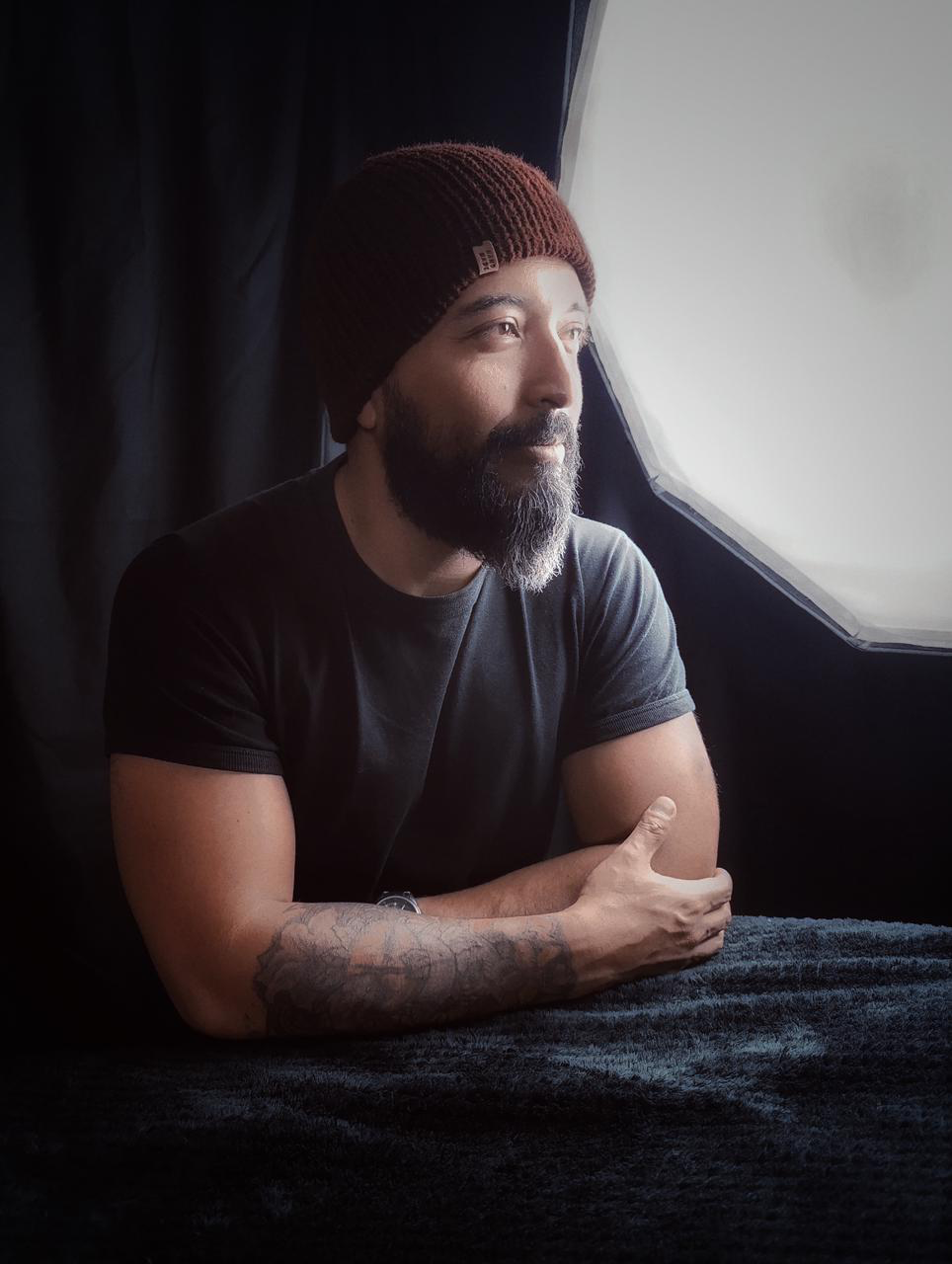
Explore the music of Carlos Maya, including Lotus, Tejido, and the album Piano Chronicles.